About This Woof the Dog Amigurumi Pattern
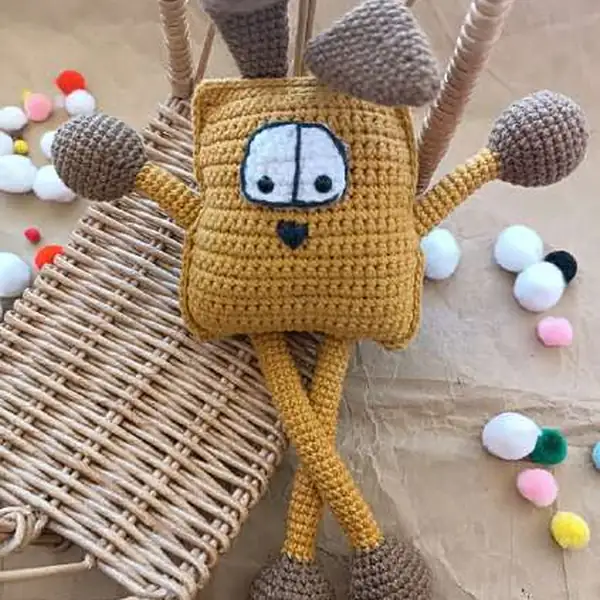
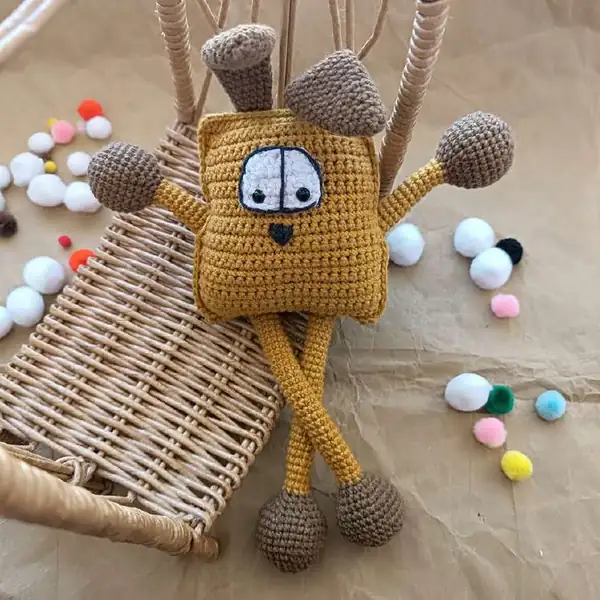
Woof the Dog amigurumi is built to invite long, gentle hugs and playful posing. The design emphasizes round, approachable shapes rather than complex textures, so the finished figure reads as an approachable character rather than a stylized sculpture. The body uses a softly golden-brown palette with contrasting brown ears, which helps Woof read as an inviting canine friend.
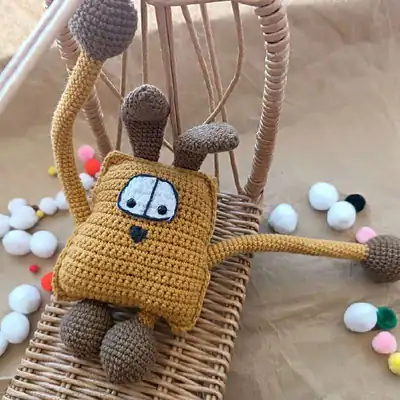
Color transitions are kept deliberate and tidy, so seams stay neat and the overall silhouette remains smooth when the toy is held or slid into a decorative corner. The limbs extend in a friendly, flexible range of motion, allowing dramatic stretches for photos or simple, cuddled repose on a sofa or bed. Construction focuses on practical seaming and sturdy shaping, so the toy holds its form during regular play, hugs, or trips in a bag.
The project favors common, beginner-friendly techniques—crocheted rounds that create solid, rounded forms, careful increases and decreases to shape the torso and limbs, and a straightforward method for joining parts that minimizes bulky gaps. The result is a character with clear personality, a soft, squeezable body, and dependable durability for everyday use. The pattern is well suited to gifting, classroom demonstrations, and dorm-room decor where a friendly companion is welcome.
A forgiving fabric choice makes Woof resilient enough to withstand daily handling while remaining gentle to contact with small hands. Expect thoughtful finishing steps—ears attached in symmetrical positions, facial features aligned with care, and minor touch-ups to ensure the pose holds steady after stuffing and assembly. The finished Woof embodies a balance of charm and practicality, inviting crafters to enjoy the process as much as the result, turning a simple skein of yarn into a trusty friend that sits beside you in the home or on the shelf.
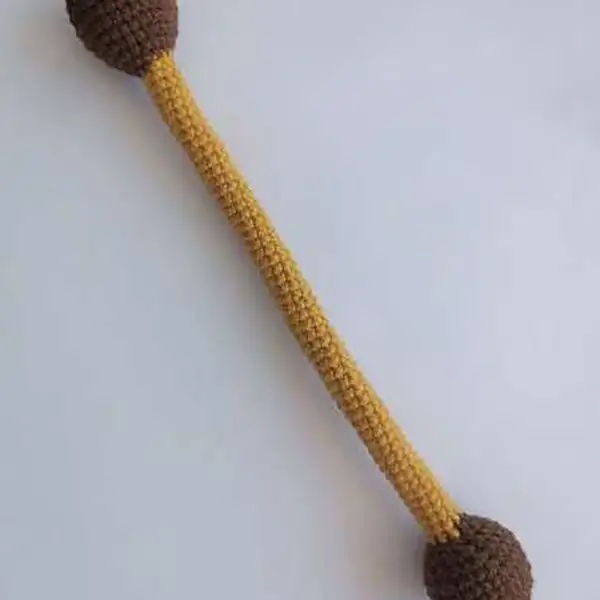
This amigurumi dog pattern is organized around four main components plus essential accessories that bring Woof to life. The torso is crocheted in a single color, forming a rounded, huggable center that anchors the limbs. Two forelimbs and two hind limbs are worked as elongated cylinders and joined to the torso to create a natural stance that can tilt with movement.
Ears are shaped separately and attached to the head for symmetry, while a small facial area is built with simple, replacing stitches to create a friendly expression. The eyes and nose are added in a way that emphasizes proportion and balance, with placement guided by round-by-round markers to ensure sameness on both sides. A head with gentle curvature sits atop the torso, creating a classic amigurumi silhouette.
The finishing sequence includes attaching limbs in a balanced arrangement, sewing ears with even tension, and aligning facial features before the final stuffing. The pattern presents a predictable routine: begin with a foundation chain, work in the round to form each segment, and close with secure fasten-offs that help the toy maintain its shape. Assembly is designed to minimize visible seams, but still encourages neat joins where limbs meet the torso and ears meet the head.
While the technique remains faithful to traditional amigurumi, the instructions stress inserting stuffing gradually to avoid shifting that could affect eye alignment or ear positions. The final finish involves stabilizing the limbs, making sure the toy sits evenly, and performing light touch-ups to ensure color boundaries appear clean. The overall objective is a durable, squeezable companion whose proportions feel natural and whose pose holds steady during everyday use, playtime, or display.
This project is written to be approachable for confident beginners who want a larger amigurumi and to offer enough technique to satisfy seasoned crocheters. The color changes are gentle, with clear guidance on when and where to switch yarns to maintain smooth transitions. The limbs stretch for play, allowing expressive poses that still return to a cuddly silhouette when released.
Finishing touches—such as eyes, nose, and mouth—are described in straightforward steps to preserve symmetry and character without requiring specialized skills. The toy is robust enough for daily hugs, yet light enough to travel as a comforting companion on outings. In practice, the pattern emphasizes consistent stitching tension, regular round counts, and mindful stuffing to preserve shape without creating stiff areas.
Rather than relying on elaborate textures, the design uses clean stitches and careful seam placement to produce an end result that reads as a soft, characterful toy. Through mindful construction and patient assembly, Woof becomes a reliable friend that can accompany a child to daycare, a dorm room, or a cozy reading nook. The finished piece demonstrates how a straightforward amigurumi approach can yield a durable, lovable gift that is meaningful and easy to care for in daily life.