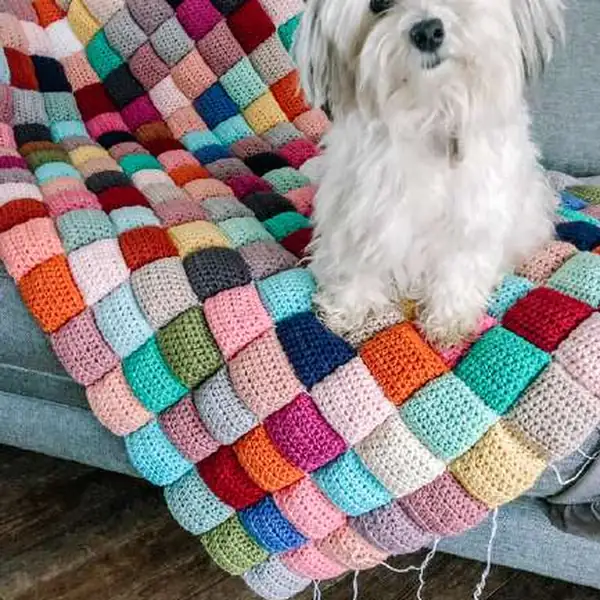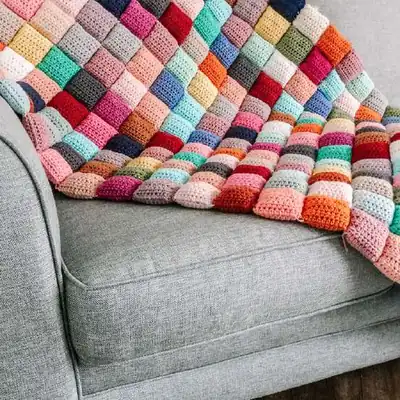
About This Crochet Puff Quilt Pattern
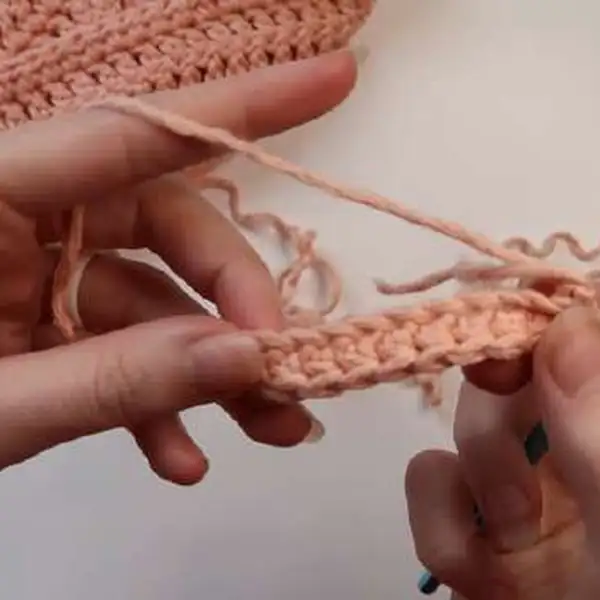
Each puff square is worked individually, beginning with a foundation chain that establishes the width of the block. The puff is formed with a simple sequence of stitches that compress into a round, plush center. Once the puff is complete, the square is gently stuffed enough to hold its shape and closed at the top with a few careful stitches. The completed puff block is set aside as the next square is formed. When a row of squares has been crocheted, the joining stage begins, using back‑side seams to connect blocks in a neat grid that remains invisible from the front. The blanket then grows square by square, row by row, until the full footprint has been reached. The process emphasizes measured progress, careful counting, and the quiet joy of turning small pieces into a larger, cohesive tapestry.
The texture created by the puff stitches catches light and color in a way that reads as cozy and tactile. The layout choices—whether a rainbow spectrum, a soft gradient, or a personal, improvised mix—are where creativity comes to life. Seaming is designed to be tidy from the back, with the front presenting a seamless field of puffs that form a continuous, plush surface. The project invites experimentation with palette and placement while staying anchored in straightforward crochet technique and patient, methodical construction.
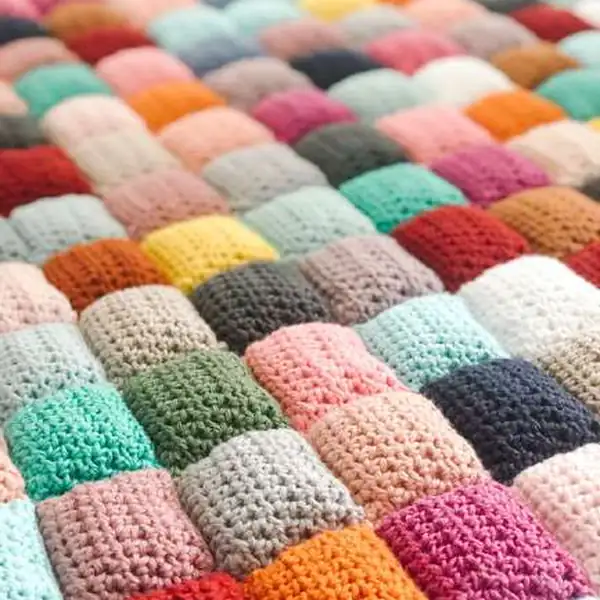
The Puff Quilt pattern offers two standout benefits for makers who crave both a clear path and room to grow. First, the modular nature of puff squares makes it easy to pause after completing a handful of blocks and return later without losing momentum. This design is well suited to busy schedules or unpredictable time blocks, because progress can be measured in small, repeatable steps rather than a single long session. Second, the blanket’s scale remains forgiving—small variations in block count or grid alignment do not dramatically impact the overall look. The texture stays inviting, and the color story remains readable even if tweaks to the grid occur during assembly.
Careful seam work is the finishing touch that preserves a clean front with almost invisible joins from the back. The color planning component—whether opting for a bold rainbow, a restrained gradient, or a playful mixed palette—becomes a key part of the process. The method rewards thoughtful layout decisions and offers a chance to practice planning for larger projects in the future, reinforcing confidence as a crocheter progresses through different sizes and configurations.