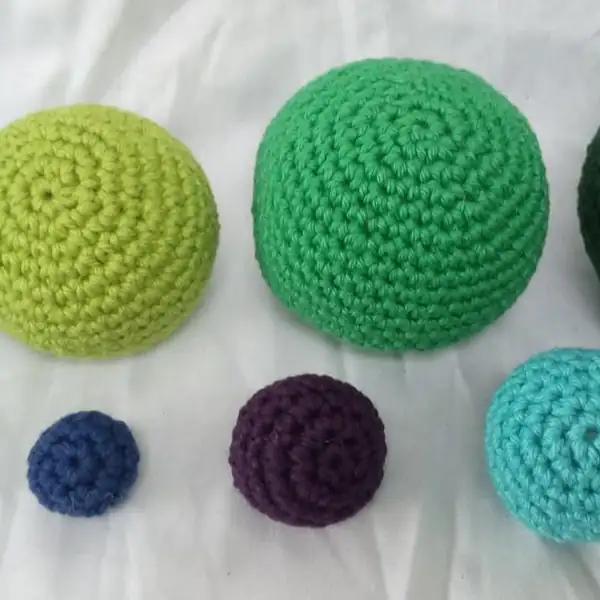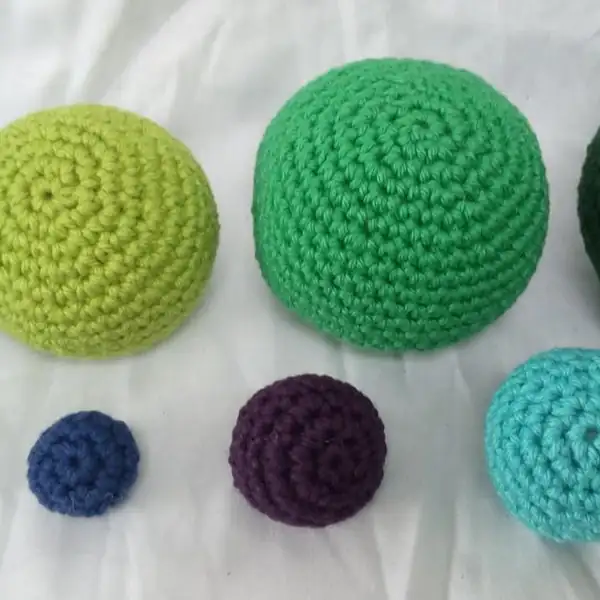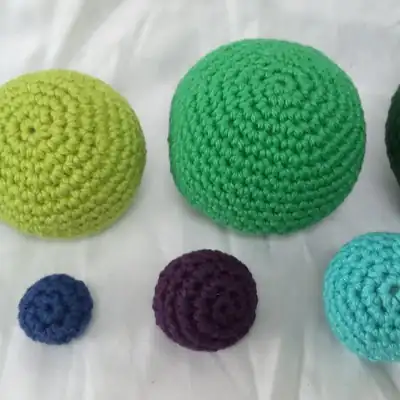
About This Ball of Almost Any Size Amigurumi Pattern
What you’re making here is a ball—an amigurumi sphere that scales from tiny to substantial. It is built from three clear sections: a top circle that starts the sphere, a middle filling that defines the height, and a bottom circle that closes the shape. The pattern uses a straightforward math-based method to determine how many rows are needed in the top section to reach a desired circumference, and it then doubles that sizing with a matching bottom circle. The middle section remains unshaped to preserve height, and the final assembly brings everything together into a smooth, compact sphere. The instructions emphasize technique clarity and careful stuffing so that the finished ball holds its shape and feels pleasing in hand. The approach relies on familiar amigurumi basics—working in the round, making a magic ring start, controlled increases, and deliberate decreases—without introducing any unorthodox stitches.
Yarn choice and hook size are intentionally flexible to support scaling. A balanced combination like a DK-weight cotton with a 3.5 mm hook works well, but the same method translates to sport weight or worsted with matching hook adjustments. The design rewards thoughtful color planning and meticulous tension, allowing the color story to evolve while the structural steps stay constant. This is a compact project that invites precise counting and careful finishing, ideal for someone who enjoys both math and texture in a hand-crafted toy.
As you work, foundational crochet techniques come into play—working in the round, starting with a magic ring, controlled increases and decreases, and careful color management. The top and bottom circles define the sphere, while the middle section maintains height to match the circumference. The interplay between geometric sizing and tactile finish creates a sphere that feels balanced in hand, whether perched on a shelf or carried in a pocket. Each completed size teaches a new nuance in alignment and proportion, inviting experimentation without sacrificing core technique.
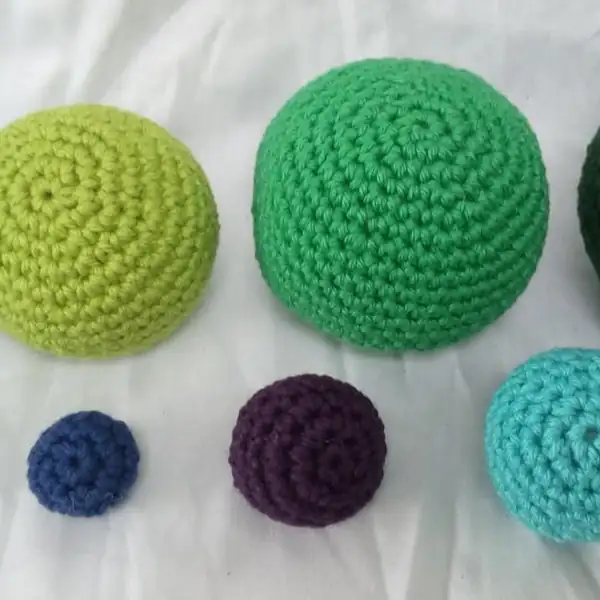
Two key ideas define this pattern: size control and neat finishing. Size control comes from the way the top circle’s rounds are planned, using a base of six stitches and increasing in a staggered fashion to craft a smooth dome without bulges. The middle section proceeds in a straightforward, unshaped sequence to preserve height while adding volume. Finishing relies on mindful stuffing and an approach to wiring the seam so that the transition between halves reads cleanly. The aim is a sphere that holds its shape evenly and feels solid in hand rather than floppy or lumpy. This design invites experimentation while offering solid, repeatable results that can be replicated across sizes. The relationship between circumference and row count becomes a practical tool for planning a family of sizes without altering the core method.
Whether gifting a tiny ball for a keychain or crocheting a larger sphere as a decorative piece, the pattern remains approachable and forgiving. The structure supports gentle play and display alike, making it suitable for a desk, shelf, or a pocket friend. With practice, the rounds become more precise, and the process of scaling—by adjusting the top and bottom circle counts while keeping the middle height consistent—becomes a reliable skill that translates to several sizes in one project.